










Sign In Sign Up

If We Can Measure It, We Can Manage It.

Green building certification provides a structured way to assess environmental performance, recognize sustainable building practices, and support continuous improvement across the built environment.

Through green building certification, GBC Indonesia aims to turn sustainability goals into measurable performance, providing a framework to assess, recognize, and improve the way buildings are designed, constructed, and operated.

What is a green building?

A green building is a building that, throughout its life cycle, reduces or eliminates negative environmental impacts, conserves natural resources, and enhances people's quality of life.

It considers how a building uses energy and water, the materials used to construct it, the quality of its indoor environment, and its relationship with the surrounding area. These considerations can be applied throughout a building's lifecycle, from planning and design to construction, operation, and renovation.

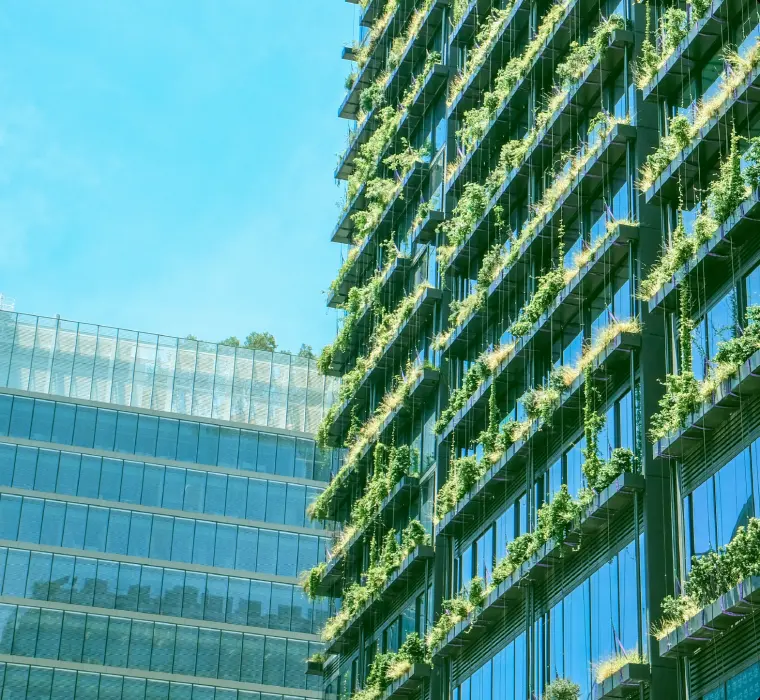
Office building with planted balconies across its facade

What makes a building green?

Rather than relying on a single feature, green buildings
consider multiple aspects* of performance.

  • Energy Efficiency

    Reduce unnecessary energy demand through thoughtful design, efficient systems, appropriate technologies, and better energy management.

  • Water Conservation

    Use water responsibly through efficient fixtures, appropriate water management, and strategies that reduce unnecessary consumption.

  • Responsible Materials and Resources

    Consider material selection, resource efficiency, durability, waste, and environmental impacts across the building life cycle.

  • Health and Well-Being

    Create indoor environments that support occupant comfort, health, and productivity through factors such as air quality, lighting, and thermal comfort.

*The precise criteria and weighting depend on the certification system and the
type of project being assessed.

A building is part of a bigger system

  • Integrated and iterative processes

    Better outcomes emerge when architects, engineers, owners, operators, and other stakeholders collaborate from the early stages of a project. Continuous evaluation and refinement help sustainability become part of the entire decision-making process.

  • Systems thinking

    A building is part of a larger system. Its design and operation influence natural resources, surrounding communities, infrastructure, and the environment. Sustainable decisions consider these connections rather than treating each building component in isolation.

  • A life-cycle approach

    A building's environmental and economic impacts extend beyond construction. Considering its entire life cycle — from material extraction and design to operation and end-of-life management — supports decisions that deliver lasting value rather than short-term gains.

Better Buildings. Better Outcomes.

Buildings shape how we use resources, how we experience our surroundings, and how businesses operate. Green building strategies help address these interconnected impacts while creating value for people, the environment, and organizations.

The 3P of Sustainability

  • People

    Healthier, more comfortable spaces can support occupant well-being, productivity, and a better everyday experience. Green building also considers the needs of the wider community.

  • Planet

    More responsible energy and water use, material choices, waste management, and site planning can reduce environmental impacts and conserve natural resources.

  • Profit

    Resource efficiency can help manage operating costs, while credible sustainability performance can strengthen organizational resilience, stakeholder confidence, and long-term asset value.

The Benefits of Green Buildings

  • Economic Performance

    Reduce resource consumption and support long-term asset value.

  • Market & Reputation

    Demonstrate sustainability efforts and build stakeholder confidence.

  • People & Well-being

    Create healthier, more comfortable spaces for people.

  • Organizational Values

    Translate sustainability commitments into practical action.

  • Environmental Impact

    Conserve natural resources and reduce environmental pressures.

  • Policy & Compliance

    Prepare for evolving regulations and sustainability requirements.

Turning Sustainability Goals into Measurable Results

Green building strategies are important, but how can we know
whether they are delivering the intended results?

The difference certification makes

Without certification

Sustainability intentions and self-reported claims

  • The building is designed with the intention of reducing energy and water consumption.
  • The project aims to reduce its environmental footprint.
  • The owner communicates its sustainability commitments to stakeholders.

With certification

Structured assessment and documented achievement

  • The building’s sustainability performance is assessed against defined criteria and applicable certification requirements.
  • Supporting documentation and verification provide a structured basis for evaluating the project’s achievement against established criteria.
  • A certification outcome provides a credible, independently assessed reference point for communicating the project’s sustainability performance to stakeholders.

A Structured Pathway to Better Building Performance

Green building certification gives project teams a framework to evaluate their sustainability strategies, demonstrate compliance with defined criteria, and identify opportunities to improve performance.

Although the detailed process differs between GREENSHIP and EDGE, the general journey can be explained in four stages.

Step 1: Define Your Goals

Identify your project type, sustainability priorities, and intended certification pathway. The project scope and assessment requirements will determine the appropriate starting point.

Step 2: Assess and prepare

Review the applicable criteria, evaluate the building or design, and prepare the necessary technical information and supporting documentation.

Step 3: Undergo assessment and verification

The project is evaluated through the applicable assessment process. Depending on the system and stage, this may involve documentation reviews, technical assessments, and verification by authorized assessment professionals.

Step 4: Achieve certification and continue improving

Eligible projects that meet the relevant requirements receive certification. The assessment outcome can help communicate achievements and inform future sustainability improvements.

The detailed requirements, assessment stages, and certification outcomes are specific to each certification.

Choose your certification pathway

GBCI administers two green building certification systems in Indonesia: GREENSHIP, developed by GBCI, and EDGE, developed by the International Finance Corporation (IFC). Each provides a distinct framework for assessing and recognizing sustainable building practices.

GREENSHIP Certification

Developed by Green Building Council Indonesia

GREENSHIP is GBCI's green building rating and certification system. It evaluates building and neighborhood sustainability through criteria covering areas such as site development, energy, water, materials, indoor environmental quality, and environmental management, according to the applicable rating tool.

Available certification types include: New Building · Existing Building · Interior Space · Homes · Neighborhood · Net Zero

Explore GREENSHIP
EDGE Certification

Developed by IFC

EDGE (Excellence in Design for Greater Efficiencies) is an international green building standard and certification system developed by IFC, a member of the World Bank Group. It uses a performance-based approach focused on resource efficiency.

EDGE certification evaluates savings in three areas: energy use, water use, and embodied energy in building materials. The standard for EDGE Certified requires at least 20% savings in each of these areas compared with the applicable baseline.

Explore EDGE

Advancing Green Building Certification in Indonesia

Green Building Council Indonesia (GBCI) is an independent, non-profit professional organization established in 2009 to promote sustainable development practices in Indonesia's construction sector.

Through its certification programs, GBCI supports the adoption of green building practices by providing structured assessment frameworks and facilitating the evaluation of building sustainability performance.

Certification Partners

GBCI works with certification partners to support the applicable project assessment and certification processes. For information about the current partners and their roles, please refer to the partner profiles below.

Ready to Take the Next Step?

Whether you are planning a new development, improving an existing building, or exploring ways to strengthen your sustainability strategy, the right certification pathway starts with understanding your project's goals.

Explore GREENSHIP and EDGE to find the assessment framework that aligns with your project.

Explore GREENSHIP Explore EDGE

Not sure which pathway is right for your project?
Contact GBC Indonesia for guidance

[email protected]

Copyright © 2026 Green Building Council Indonesia. All rights reserved.

Frequently Asked QuestionsLogin