

CURRENT VERSION
In use since 2023
GREENSHIP Neighborhood V.1.1
The edition of the GREENSHIP Neighborhood rating tool currently in use.
DOWNLOAD SUMMARYGREENSHIP CERTIFICATION
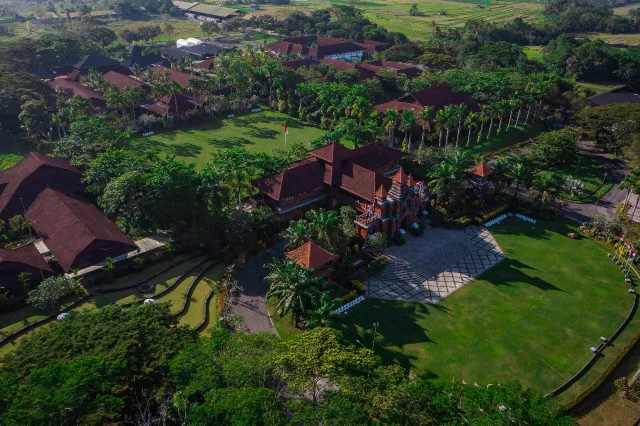
GREENSHIP Neighborhood is a green area rating tool developed by Green Building Council Indonesia (GBCI) to assess the sustainability of residential areas, central business districts, and industrial estates.
Going beyond individual buildings, GREENSHIP Neighborhood evaluates how land, infrastructure, buildings, natural systems, and communities interact within an area. It provides a structured framework for integrating sustainability into area planning, development, and management.
Whether a project is still in the planning stage or has already been developed, GREENSHIP Neighborhood supports a more comprehensive approach to creating places that are environmentally responsible and contribute to people's quality of life.
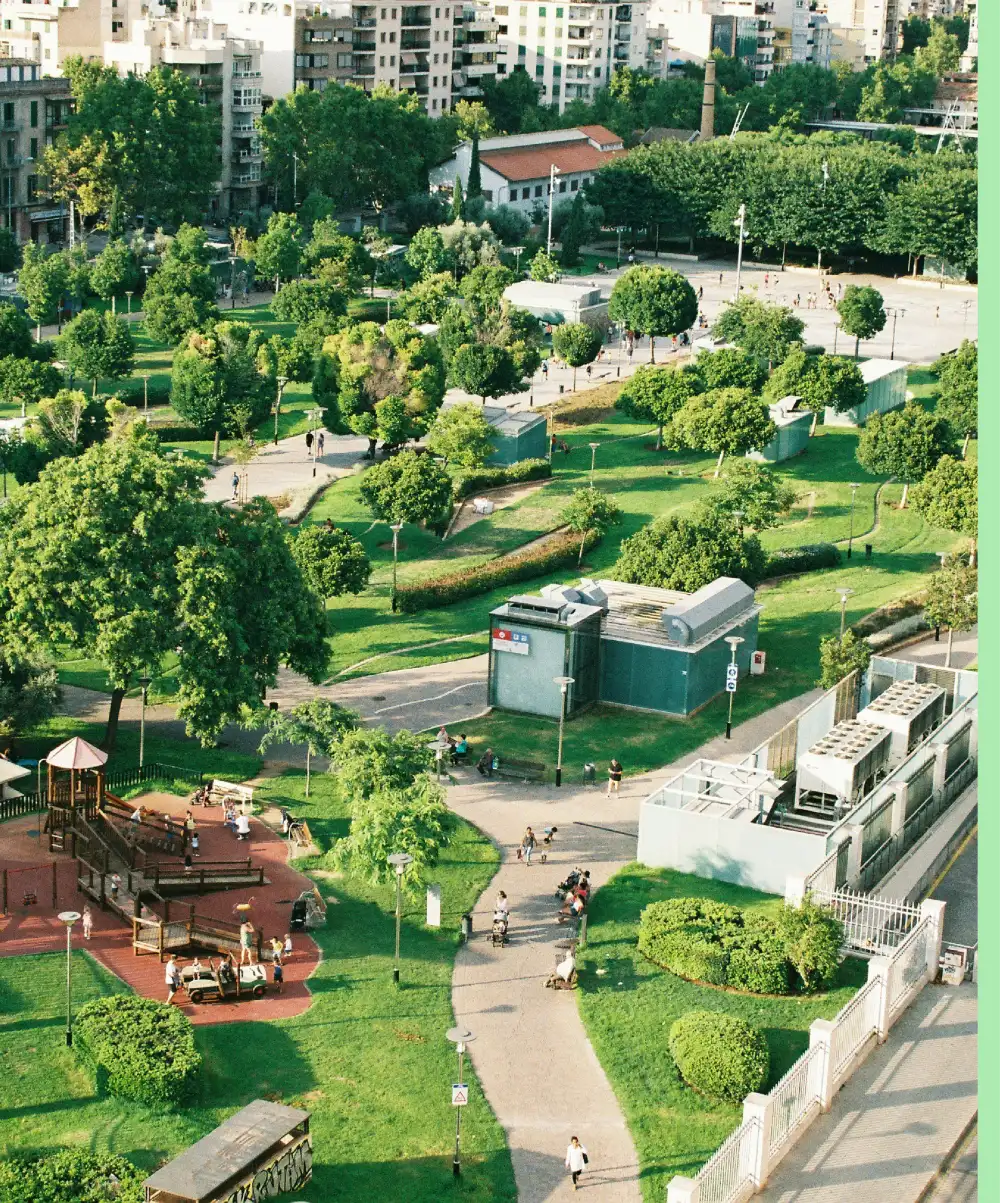
GREENSHIP Neighborhood provides a framework for assessing interconnected aspects of area development. By evaluating sustainability across the wider built environment, it helps project owners and development teams integrate environmental considerations into planning, implementation, and long-term area management.
GREENSHIP Neighborhood offers two certification pathways based on the development stage of an area: PLAN and BUILT PROJECT.
Each pathway provides an assessment approach suited to the project's stage of development.

For Areas in the Planning and Design Stage
GREENSHIP Neighborhood PLAN is intended for projects that are still in the planning stage. It provides an opportunity for project teams to assess their area development plans against GREENSHIP Neighborhood criteria and receive recognition based on the planned design and development strategies.
This pathway allows sustainability considerations to be evaluated before the area is fully developed, helping project teams integrate relevant measures into their plans from an early stage.

For Developed and Operational Areas
GREENSHIP Neighborhood BUILT PROJECT is intended for areas that have been constructed and/or are already in operation.
This pathway assesses the area more comprehensively, considering its planning and design, implementation, construction, and operational performance. It provides a framework for evaluating how sustainability strategies have been realized and how the area performs as a developed environment.
Explore the eligibility requirements below to see whether your project is eligible for GREENSHIP Neighborhood certification.
GREENSHIP Neighborhood can be applied to different types and scales of area development, including:
Meeting these eligibility requirements is the first step. The project must also meet the relevant assessment criteria and provide supporting evidence during the certification process.
GREENSHIP Neighborhood evaluates sustainability through seven assessment categories. Together, these categories address the relationship between land, infrastructure, buildings, natural systems, and communities within a development area.

Assesses how land development considers ecological conditions and opportunities to enhance the area's natural environment.

Evaluates movement systems and connectivity within the area, including how people access destinations and move between different parts of the development.

Assesses strategies for managing and conserving water resources, including how water is managed across the development area.

Evaluates approaches to solid waste management and material use, supporting more responsible resource practices throughout area development and operation.

Considers strategies that support the wellbeing of people within the area, including the quality of the environment and the facilities and spaces that serve the community.

Assesses building-related and energy considerations within the wider development area, recognizing the role of building performance in neighborhood sustainability.

Recognizes innovative approaches and future-oriented strategies that contribute to the continued sustainability and development of the area.
GREENSHIP certification recognizes a project's achievement against the applicable rating tool requirements and scoring thresholds.
Eligible projects can achieve one of four certification levels
GREENSHIP Platinum certification requires a performance index of at least 73%
GREENSHIP Gold certification requires a performance index of at least 57%
GREENSHIP Silver certification requires a performance index of at least 46%
GREENSHIP Certified certification requires a performance index of at least 35%
PLAN
| No. | Project Area (Ha) | Certification Fee |
|---|---|---|
| 1 | 20–200 hectares | Rp73.000.000 – Rp85.000.000 |
| 2 | 201–400 hectares | Rp85.500.000 – Rp93.500.000 |
| 3 | Above 400 hectares | Contact Us |
BUILT PROJECT
| No. | Project Area (Ha) | Certification Fee |
|---|---|---|
| 1 | 1–20 hectares | Rp110.000.000 – Rp129.000.000 |
| 2 | 21–50 hectares | Rp130.000.000 – Rp153.000.000 |
| 3 | 51–200 hectares | Rp154.000.000 – Rp189.000.000 |
| 4 | 201–400 hectares | Rp190.000.000 – Rp212.000.000 |
| 5 | Above 400 hectares | Contact Us |
Begin the certification process by registering your project through the GBCI website.
The registration form collects general project information, including the project area, development details, project owner, appointed GREENSHIP Professional (GP), and Certification Partner. This information provides the basis for the initial review and coordination of the certification process.
The project must fulfill the applicable eligibility requirements and submit the required supporting information and documentation.
The eligibility evaluation covers general project requirements, including relevant permits and compliance with applicable building regulations, safety standards, and accessibility requirements.
The project's certification or sustainability team has the opportunity to consult with GBCI and relevant experts regarding the GREENSHIP Neighborhood assessment criteria.
These consultations provide a forum to discuss the rating tool, clarify technical requirements, examine potential assessment approaches, and address questions related to the project's sustainability strategies.
The project certification team presents its claimed assessment criteria and supporting strategies during a certification workshop involving relevant stakeholders.
The workshop provides an opportunity to discuss and challenge the project's assessment claims, review the proposed supporting evidence, and identify any areas that require clarification or improvement before formal submission and verification.
The project team submits the required supporting evidence, including relevant data, technical documents, and performance analyses, to the designated verifier.
The verifier reviews and evaluates the submitted evidence against the applicable GREENSHIP Neighborhood criteria. The verification process also includes an on-site survey to examine the project's conditions and validate the information provided.
The Evaluation Assessment Board (EAB), comprising relevant experts, reviews the project's claimed assessment criteria, submitted evidence, and findings identified during verification.
The project may be required to refine or revise its submissions based on the Board's review before the final assessment outcome is determined.
This is a summary of the GREENSHIP Neighborhood 1.1 certification process.
For a more detailed explanation of each stage, please refer to the
GREENSHIP Neighborhood 1.1 Certification Process Guide
Applicable Now
CURRENT VERSION
In use since 2023
The edition of the GREENSHIP Neighborhood rating tool currently in use.
DOWNLOAD SUMMARYAccess previous editions of the GREENSHIP Neighborhood rating tool for historical reference.
Can't find the answer to your question?
Contact GBC Indonesia for guidance
GREENSHIP Neighborhood is a green area rating tool developed by GBCI to assess the sustainability of developments beyond the scale of individual buildings. It evaluates how land, infrastructure, buildings, natural systems, and communities interact within an area.
GREENSHIP Neighborhood can be applied to residential areas, central business districts, and industrial estates. It can accommodate projects at different development scales, subject to the applicable eligibility requirements.
PLAN is intended for projects that are still in the planning and design stage. It assesses the planned development against GREENSHIP Neighborhood criteria. BUILT PROJECT is intended for areas that have already been developed and/or are in operation. It considers the area's planning, design, construction, implementation, and operational performance.
Yes. The BUILT PROJECT pathway is intended for developments that have already been constructed and/or are in operation, subject to the applicable eligibility requirements.
Certification fees depend on the selected certification pathway and the development area's size. PLAN and BUILT PROJECT have separate fee ranges. Contact GBCI to confirm the applicable fee for your project.
A GREENSHIP Professional (GP) or appointed consultant can assist the project team with preliminary assessment, target setting, and preparation of the required documentation. The designated Certification Partner carries out the applicable verification process.
Begin by contacting GBCI to discuss the project, understand the eligibility requirements, and establish the next steps for registration.
GREENSHIP Neighborhood provides a structured framework for assessing sustainability at the area scale, supporting more informed development decisions and better places for communities.
Start your certification journey with GBCI and take part in advancing sustainable area development in Indonesia.