Bangun untuk Masa Depan: GBCI Strengthens the Green Building Movement Through Action for Coastal Resilience
Surabaya, 30 September 2026 — Building a sustainable environment requires a perspective that extends beyond individual buildings. As urban areas continue to grow and development needs increase, natural ecosystems play an important role in maintaining environmental quality and strengthening the long-term resilience of surrounding areas.
Mangrove ecosystems are particularly important in coastal environments. They help protect shorelines, provide habitat for diverse species, and contribute to carbon absorption and storage. Protecting and restoring mangrove ecosystems is therefore part of broader efforts to strengthen coastal resilience in the face of environmental and climate-related challenges.
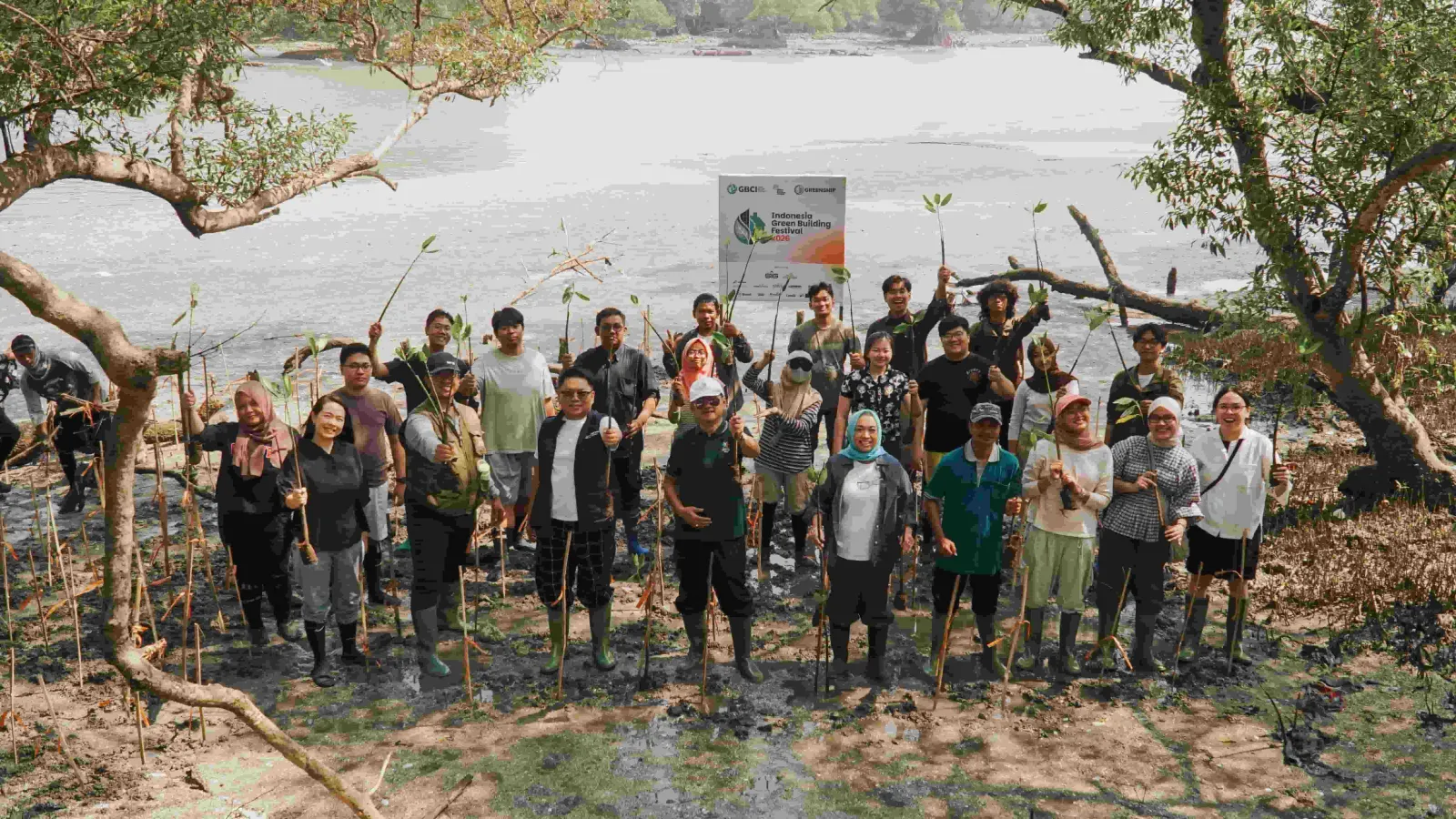
This perspective formed part of the Indonesia Green Building Festival (IGBF) 2026, an initiative of Green Building Council Indonesia (GBCI). As September, designated as Indonesia Green Building Month, drew to a close, GBCI held “Bangun Untuk Masa Depan: Mangrove Planting” at the Wonorejo Mangrove Ecotourism Area in Surabaya on Wednesday, 30 September 2026.
A total of 1,000 mangrove trees were planted through the initiative, involving representatives from GBCI’s Central Board, GBCI East Java, students from Institut Teknologi Sepuluh Nopember (ITS), and local green building consultants.
The initiative translated the principles of the green building movement into direct environmental action, extending the conversation from individual buildings to the wider landscapes and ecosystems that form part of the built environment and support community life.
Connecting Buildings and Ecosystems
Buildings are closely connected to the wider environment in which they are located, from their immediate sites and surrounding infrastructure to the natural ecosystems that support them. A sustainable built environment therefore requires consideration of these connections, particularly the relationship between development and the ecosystems around it.
Through “Bangun Untuk Masa Depan: Mangrove Planting,” this principle was translated into direct action in the Wonorejo coastal area. The mangrove planting activity gave participants an opportunity to engage directly with a coastal ecosystem and better understand the importance of ecosystem protection in building more resilient and sustainable areas.
The participation of ITS students was also an important part of the initiative, creating an opportunity to connect academic learning with direct experience in the field. As future professionals who will contribute to the planning, development, and management of the built environment, students need a broad understanding of sustainability and how it translates into practice. Engaging directly with the mangrove ecosystem allowed students to see how environmental conditions, urban development, and community life are interconnected.
For GBCI, initiatives such as this also provide a way to broaden the understanding of green building beyond building performance alone. By bringing students, green building professionals, and environmental stakeholders together, GBCI helps expand knowledge around the wider environmental systems that support sustainable development, while creating opportunities to learn through direct experience.
The involvement of GBCI and green building consultants further connected professional knowledge with environmental action. Through this cross-sector and intergenerational collaboration, the initiative demonstrated how knowledge can move from education and professional practice into tangible action, while encouraging a broader understanding of sustainability across the built environment.
From Indonesia Green Building Month to Continued Action
The planting of 1,000 mangroves formed part of the activities leading toward the conclusion of Indonesia Green Building Month, which was observed throughout September through the Indonesia Green Building Festival 2026.
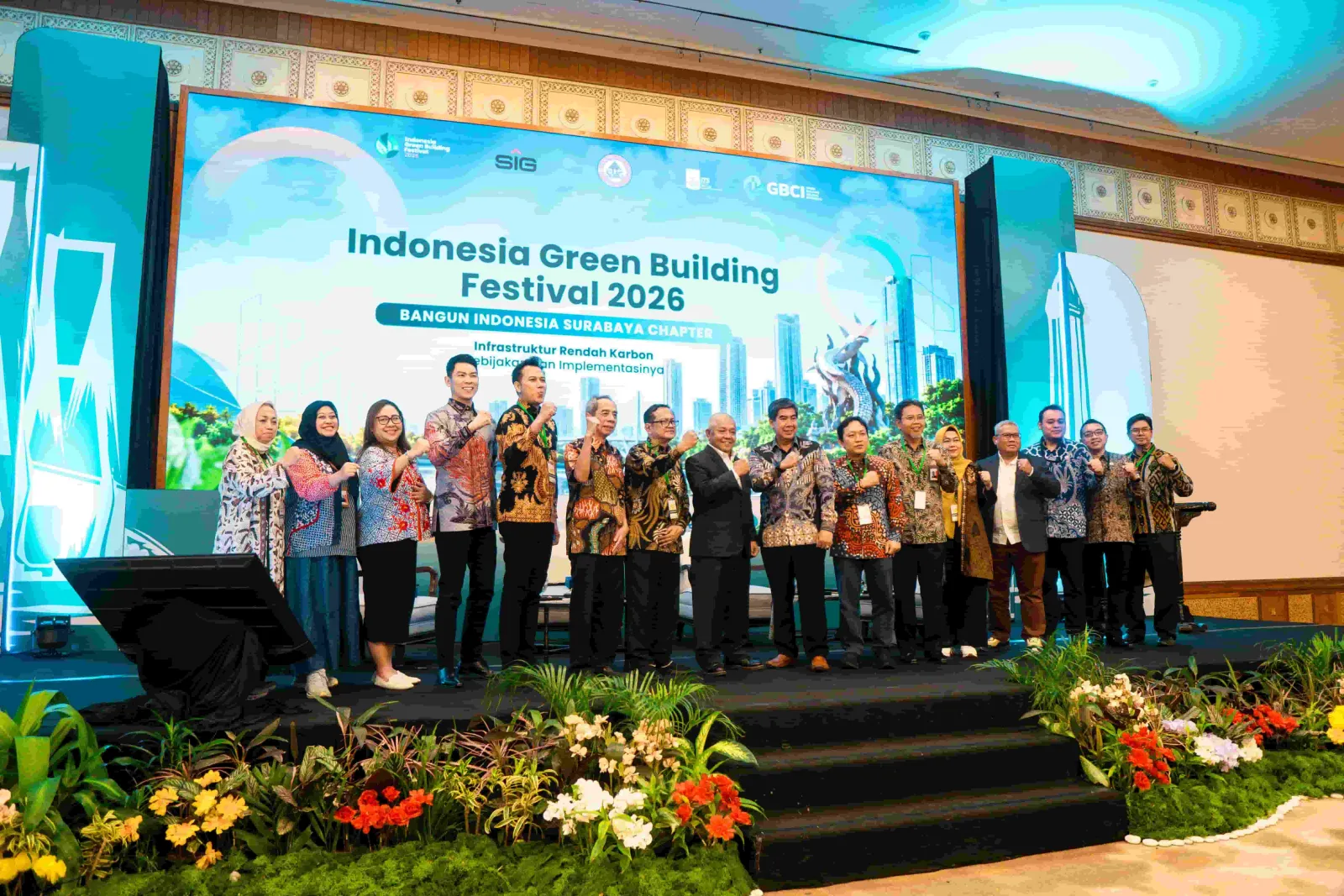
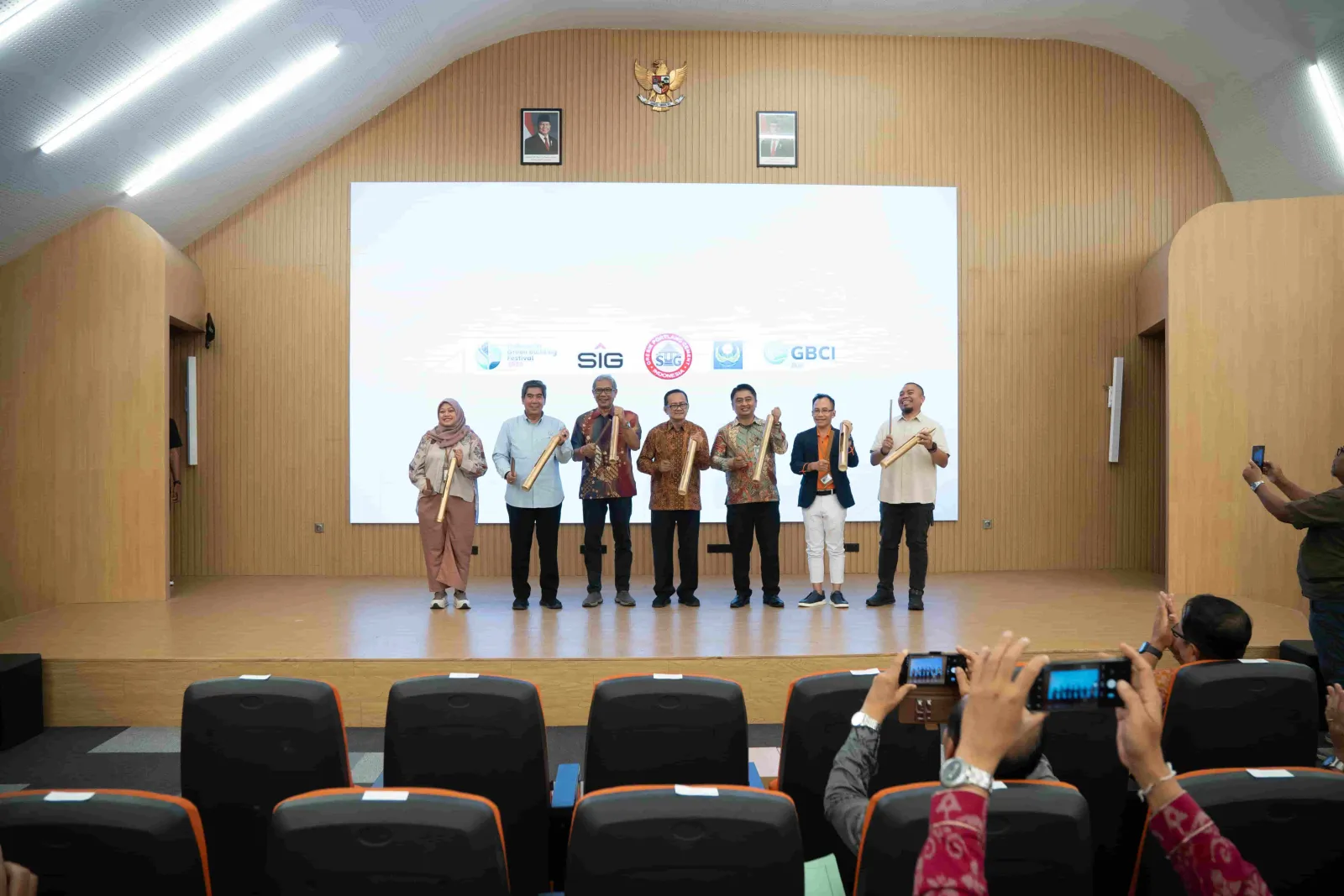
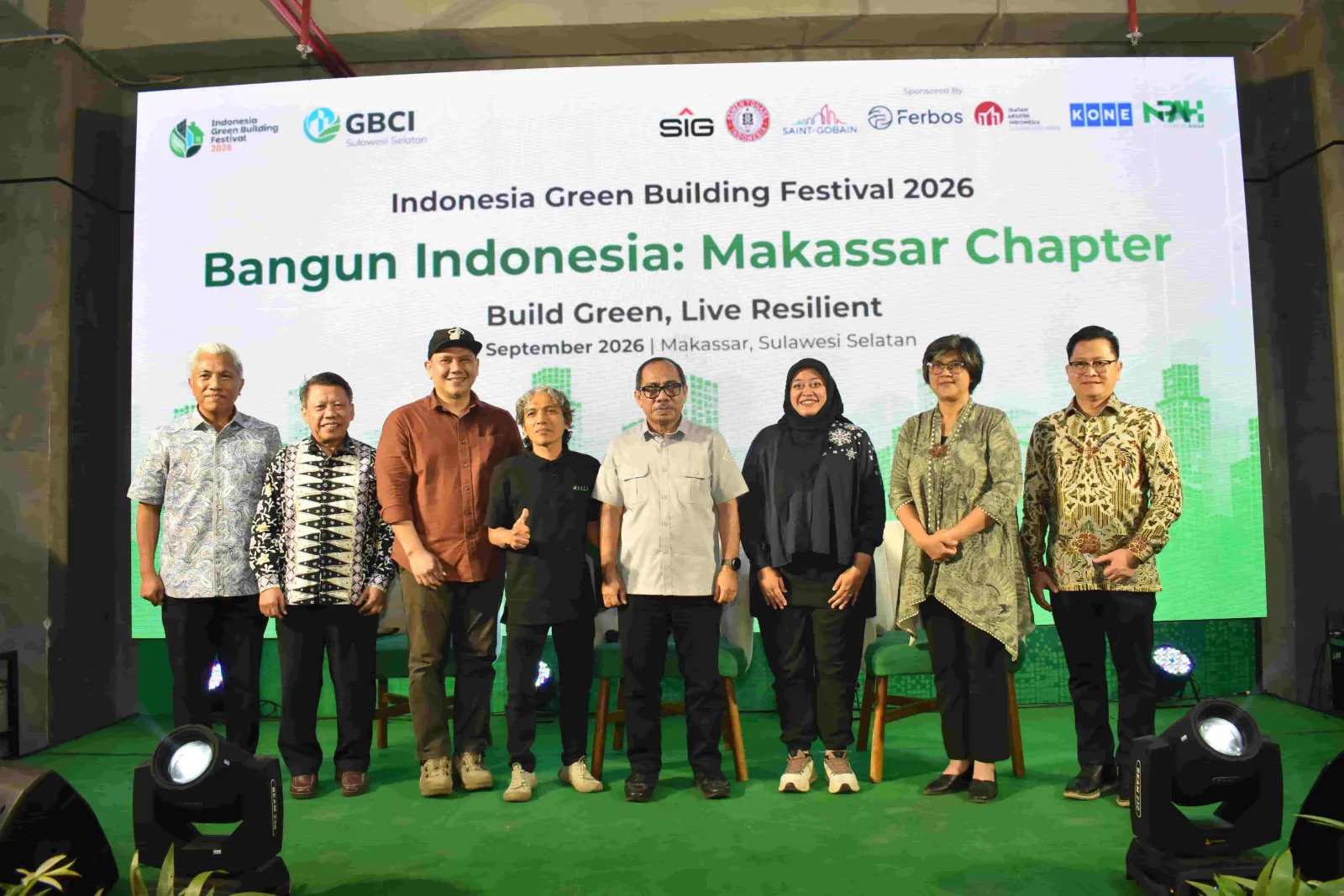
Throughout the month, IGBF 2026 created platforms for dialogue and collaboration across different regions, addressing green buildings, the built environment, low-carbon materials, area resilience, and the roles of different stakeholders in advancing more sustainable development.
“Bangun Untuk Masa Depan: Mangrove Planting” translated this broader agenda into action on the ground. The conclusion of Indonesia Green Building Month therefore represents more than the end of a month-long series of activities. It also provides an opportunity to carry conversations around sustainability forward through practical actions that can be undertaken collectively.
For GBCI, the green building movement forms part of a broader effort to create environments that support human well-being while maintaining the sustainability of natural systems. Buildings, areas, and ecosystems are interconnected elements that need to be considered together when shaping a more sustainable future.
Through this initiative, GBCI invites young people, professionals, academics, industry stakeholders, communities, and the wider public to continue contributing to the “Bangun Untuk Masa Depan” movement by turning sustainability into ongoing knowledge, collaboration, and action beyond Indonesia Green Building Month.