GBCI South Sulawesi Advances Green Building from Regulation to Implementation Through IGBF Bangun Indonesia: Makassar Chapter
Makassar, 24 September 2026 — Building climate-resilient cities requires a built environment that can respond to environmental challenges while supporting the health, comfort, and quality of life of communities. Advancing green building practices therefore requires more than the adoption of standards and technologies. It calls for an ecosystem that connects regulations, standards, materials, technologies, asset management, and community participation.
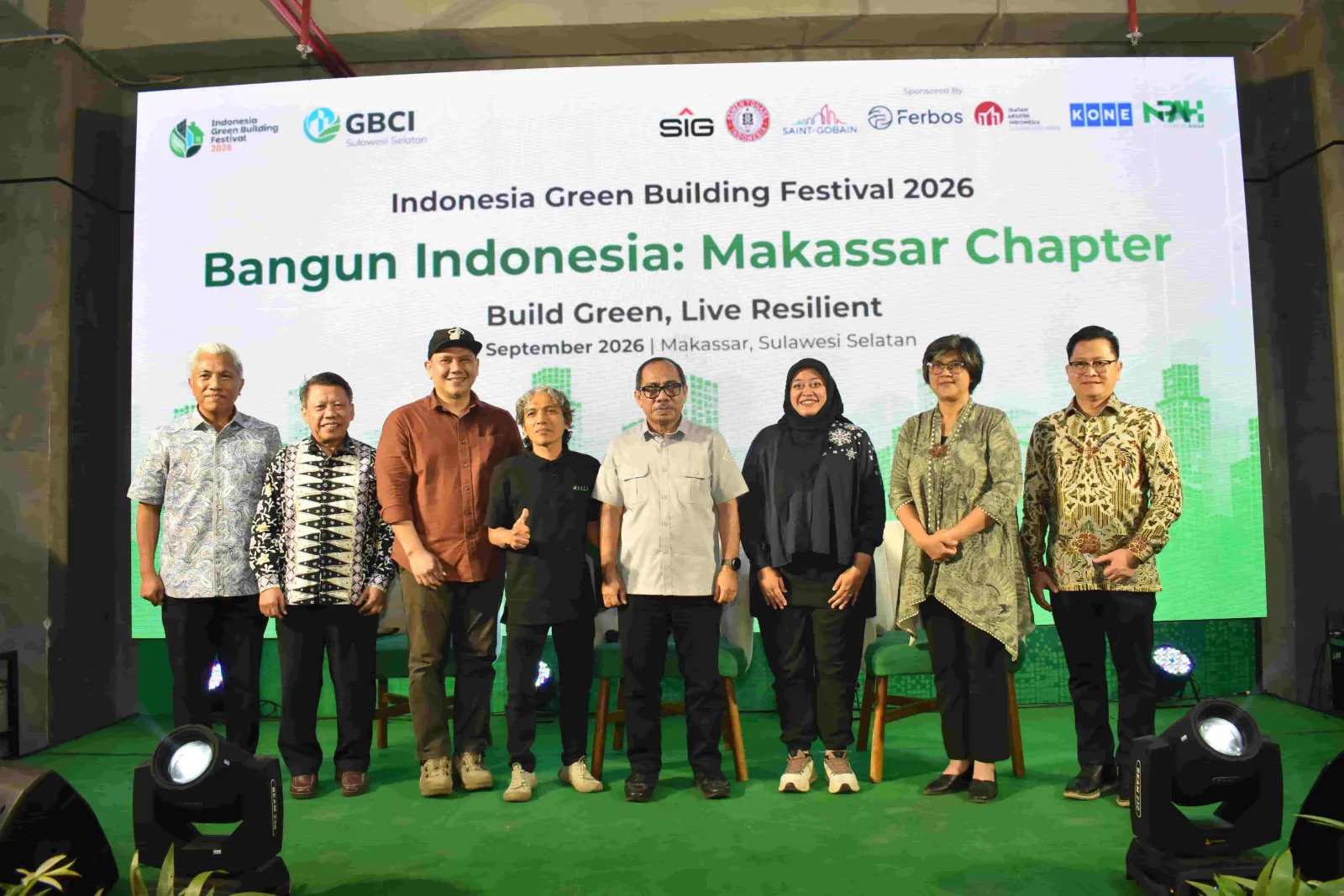
Bringing these discussions into the regional context, Green Building Council Indonesia (GBCI) South Sulawesi presented “Bangun Indonesia: Makassar Chapter” as part of the Indonesia Green Building Festival (IGBF) 2026, initiated by GBCI. Held on Thursday, 24 September 2026, at Bikin Bikin Creative Hub, NIPAH Park, Makassar, the event carried the theme “Build Green, Live Resilient: Better Buildings for a Climate-Resilient Future.”
The Makassar Chapter brought together representatives from local government, industry, academia, the property sector, and communities to examine how green building practices can be strengthened across the implementation spectrum, from regulatory frameworks and standards to materials, technologies, asset management, and community action.
“Advancing green building practices requires collaboration among government, industry, academia, the property sector, and communities. Through the Makassar Chapter, we aim to provide a platform for these perspectives to come together and explore how green building principles can be applied in ways that respond to regional needs and contexts. From regulations and materials to implementation on the ground, every stakeholder has a role in creating a healthier, more efficient, and climate-resilient built environment,” said Anna Meyliawati of GBCI South Sulawesi.
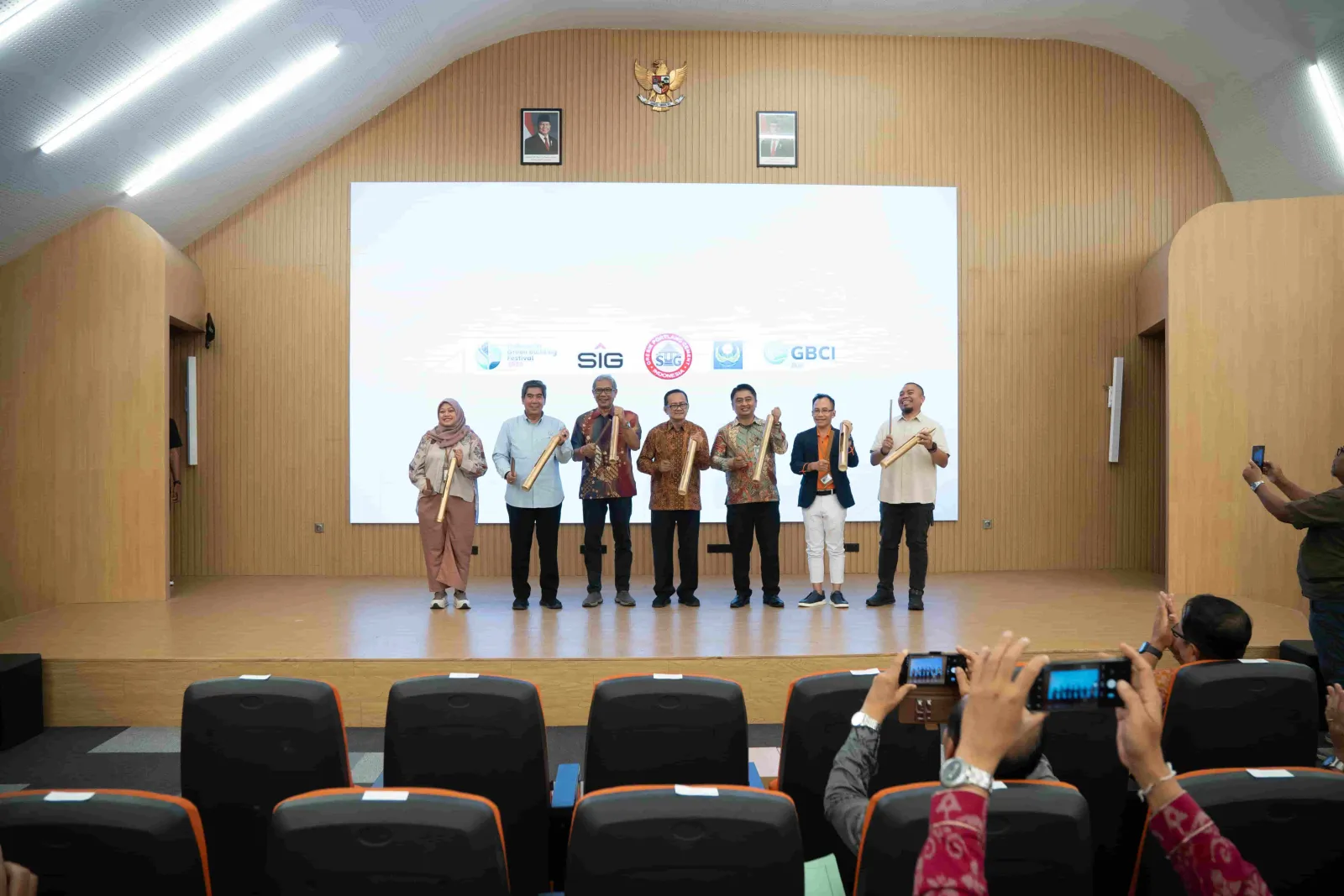
The program opened with remarks from GBCI South Sulawesi, followed by a keynote address and official opening by Dr. Ar. Ir. H. Muh. Fuad Azis DM, S.T., M.Si., IAI., Head of the Makassar City Spatial Planning Office. The participation of local government provided an important foundation for discussing the role of regulations and policies in advancing green building as part of broader efforts to develop climate-resilient cities.
Connecting Green Building Policy, Standards, and Industry Readiness
The discussion continued with a session titled “Synergy Between GREENSHIP Rating and Green Building Standards (BGH): Accelerating Green Building in Indonesia,” presented by Totok Sulistiyanto, Director of Institutional Relations, GBCI. The session examined the relationship between green building standards and rating systems and their respective roles in supporting the broader implementation of green building practices.
The discussion on policy and assessment frameworks was complemented by an industry perspective on building materials. Yosi Reapradana, GM of Production Planning & Control, PT Semen Tonasa, presented “Green Materials as a Pillar of the GREENSHIP Rating: Readiness and Innovation in the Cement Industry to Support Green Building Certification.”
Moderated by Anna Meyliawati, the session brought together perspectives from government, GBCI, and industry to examine how regulations, standards, rating systems, and industry readiness can work in alignment to support the implementation and certification of green buildings.
The discussion then moved from policy and standards to innovation in building materials and construction technologies. Saint-Gobain Indonesia presented innovations in environmentally responsible building materials and their potential to support GREENSHIP rating achievement. Meanwhile, Prof. Dr. Ir. Hanafi Ashad, M.T., IPM., Professor at Universitas Muslim Indonesia (UMI) Makassar, discussed concrete technology, material innovation, and their application in supporting more environmentally responsible construction practices.
From Green Building Principles to Property and Community Action
The application of sustainability principles was subsequently explored in the context of asset management and property development through a presentation by Daud Rianto of Kalla Group, who shared insights into sustainability implementation across property assets and the development of GREENSHIP Practitioner, drawing on NIPAH Mall as part of Kalla Group’s property portfolio as a case study.
The discussion then extended to the community level through Andi Fadly Arifuddin Mattotorang, who highlighted urban farming and sustainable lifestyles as practical approaches to green living. The session was moderated by Idham Pananrangi.
The range of topics discussed at the Makassar Chapter demonstrated that green building implementation operates across multiple levels. Regulations and standards provide the necessary direction and framework, rating systems establish measurable parameters for implementation, while innovations in materials and technology, responsible asset management, and community-level practices help translate these principles into practical outcomes.
Strengthening the Regional Green Building Ecosystem
Through Indonesia Green Building Festival 2026, GBCI continues to provide platforms for collaboration that broaden the conversation around green buildings while exploring how sustainability can be applied in ways that respond to the characteristics and needs of different regions.
In Makassar, GBCI South Sulawesi brought this agenda into a cross-sector forum that connected policy with implementation. The discussions highlighted the complementary roles of different stakeholders in strengthening the green building ecosystem, from establishing enabling policies and standards to advancing industry solutions and promoting sustainable practices at the community level.
In line with the theme “Build Green, Live Resilient,” green building practices form part of a broader effort to develop a built environment that is better equipped to respond to climate change while supporting healthier, more efficient, and more sustainable communities.
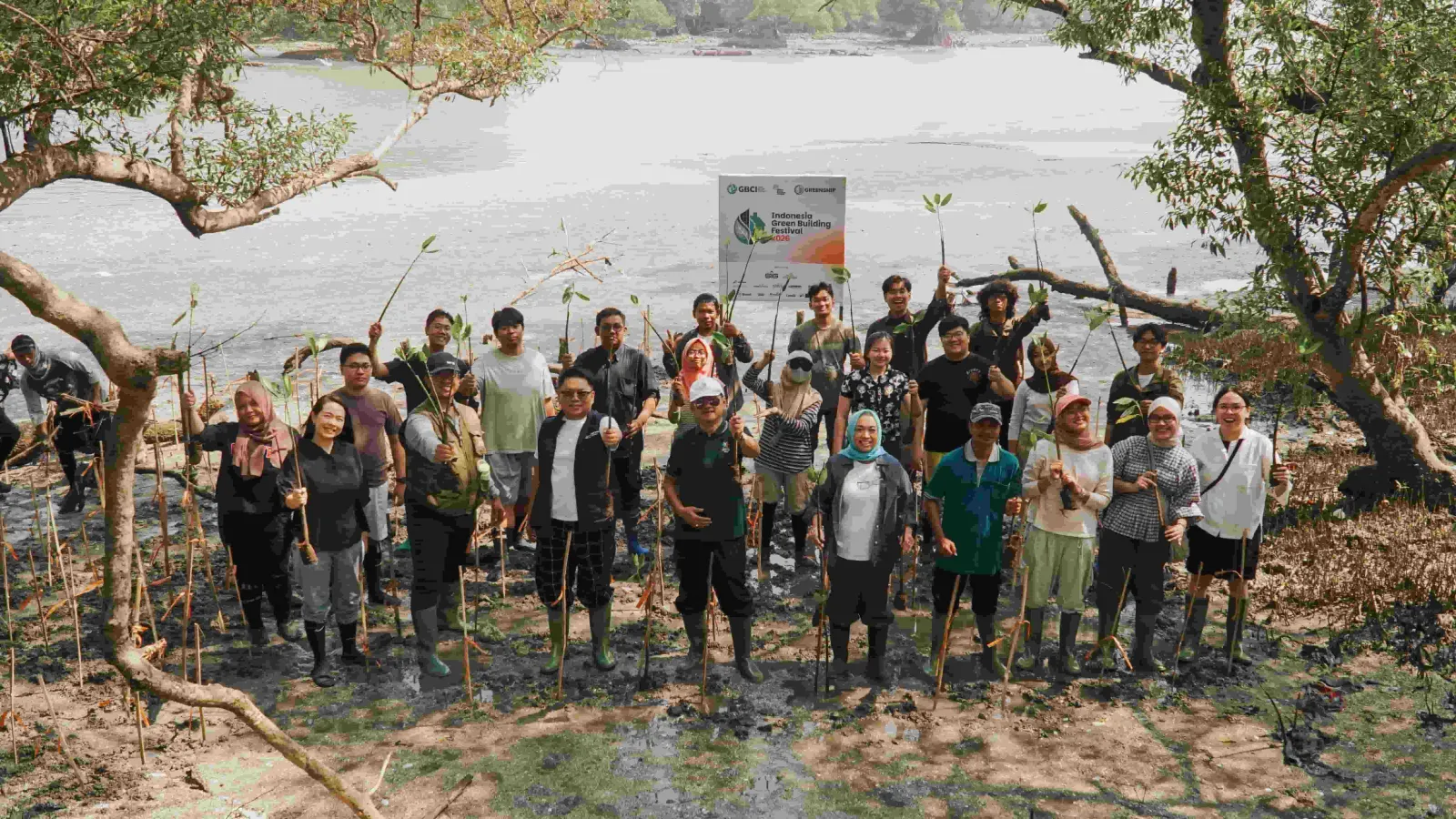
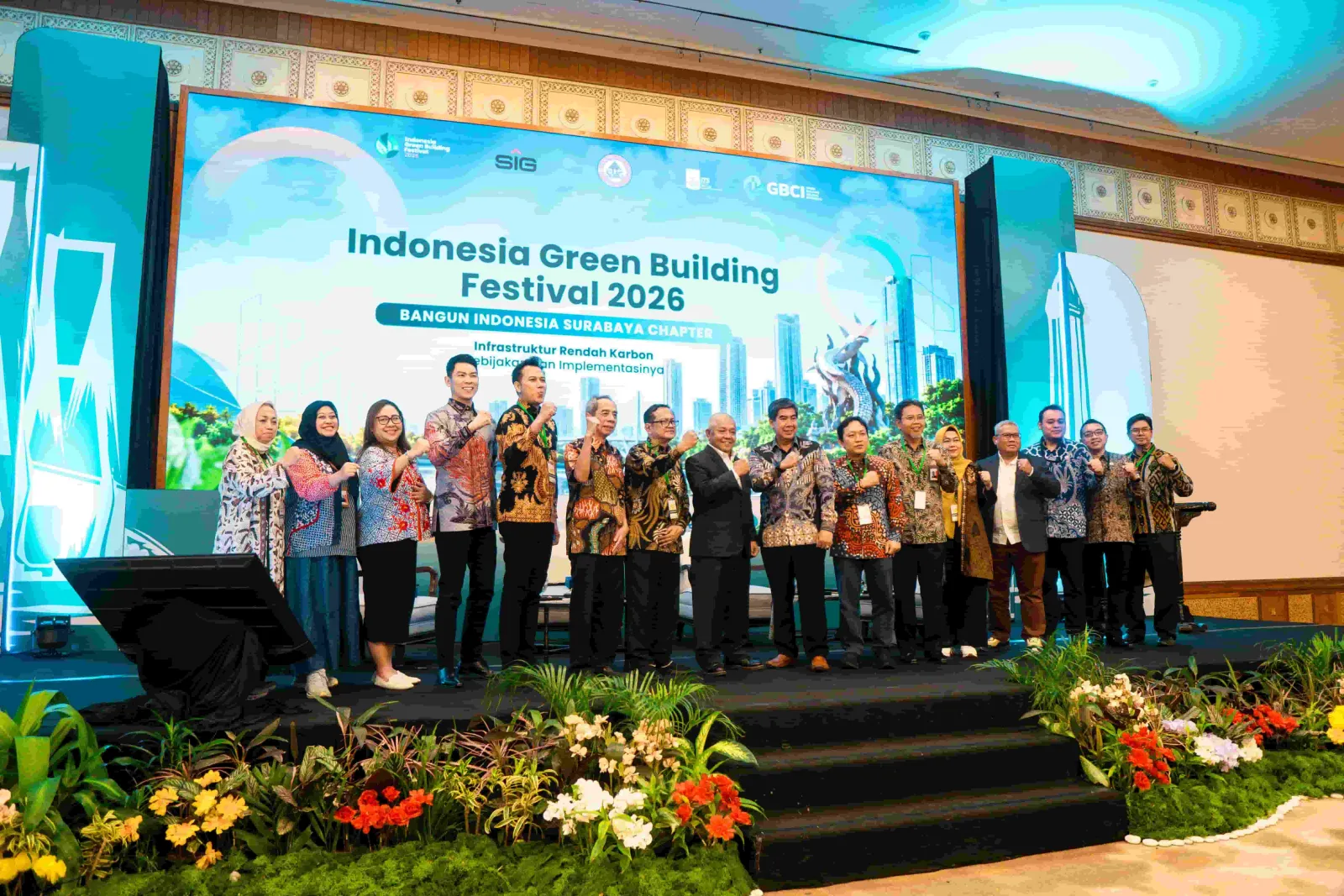
The IGBF Makassar Chapter is part of the Indonesia Green Building Festival (IGBF) 2026, GBCI’s month-long series of activities throughout September that brings together stakeholders across Indonesia to exchange knowledge, share practical experiences, and strengthen collaboration toward a more sustainable built environment.